
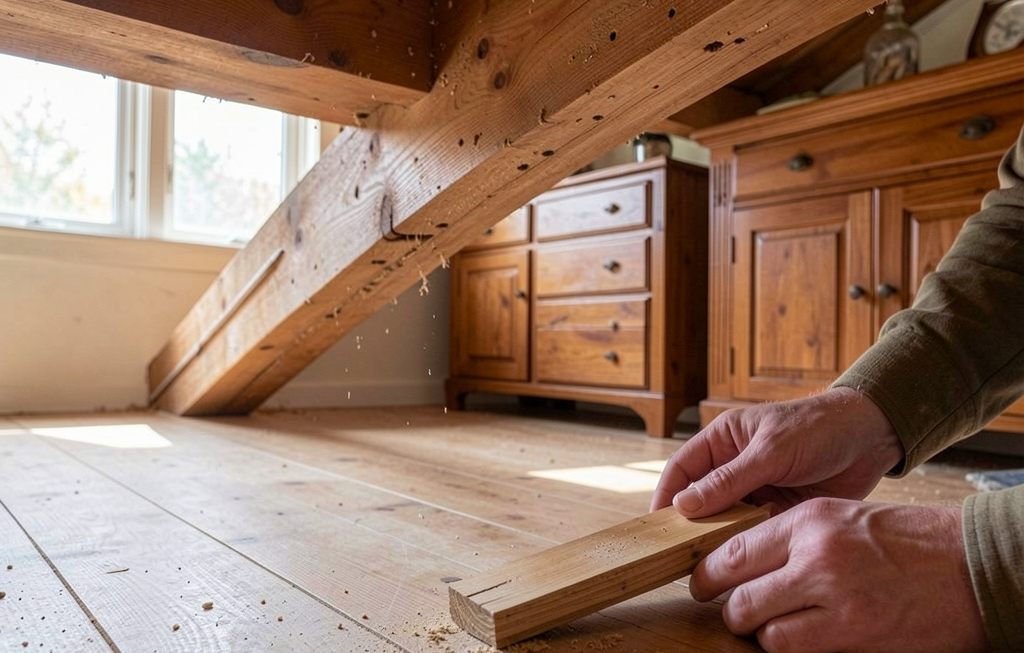
Homeowners today are becoming more careful about how they protect their homes, furniture, wooden structures, and indoor environments. While traditional pest control and wood treatment methods often rely heavily on chemicals, many people are now choosing chemical-free alternatives for managing pests, protecting timber, and maintaining healthier living spaces.
Whether dealing with woodworm, termites, mold, hidden timber damage, or general wood care, chemical-free methods continue growing in popularity. Many homeowners prefer solutions that focus on prevention, heat-based treatment, moisture control, and lower environmental impact.
The good news is that chemical-free methods can often provide effective protection while reducing unnecessary chemical exposure inside the home.
Many homeowners researching timber care through shashel.eu/ increasingly explore low-chemical and chemical-free solutions for long-term wood protection.
In this guide, we will explain why homeowners prefer chemical-free methods and why these approaches continue gaining popularity.
Reduced Chemical Exposure
One of the biggest reasons homeowners choose chemical-free methods is:
Less indoor chemical exposure
Why This Matters
Many homeowners prefer reducing:
- Strong chemical smells
- Indoor chemical contact
This is especially important for homes with:
- Children
- Pets
Healthier indoor environments matter.
Balanced treatment improves comfort.
Many homeowners exploring timber care through shashel.eu increasingly prefer chemical-free wood care for healthier living spaces.
Better Indoor Comfort
Chemical-heavy treatment may create discomfort.
Why Homeowners Care
Some treatments may involve:
- Strong odors
Why Chemical-Free Methods Feel Better
Lower-chemical approaches may help support:
- Cleaner indoor environments
Comfort matters in everyday living.
Healthy homes feel more welcoming.
Growing Environmental Awareness
Many people want environmentally responsible solutions.
Why This Matters
Homeowners increasingly focus on:
- Sustainable home care
Why Chemical-Free Methods Appeal
These approaches may help reduce:
- Environmental concerns
Balanced wood protection matters.
Healthy surroundings matter too.
Modern Heat-Based Treatments Are Growing
Modern pest treatment continues evolving.
Common Chemical-Free Options Include
- Heat treatment
- Microwave treatment
How These Methods Help
They may help target:
- Hidden pests
- Internal infestation
without relying heavily on chemicals.
Professional guidance improves results.
Chemical-Free Methods Often Focus on Prevention
Prevention matters as much as treatment.
Helpful Prevention Habits Include
- Moisture control
- Ventilation improvements
- Routine inspections
Why This Works
Healthy environments naturally discourage:
- Woodworm
- Beetles
- Mold
Consistency protects timber.
Many homeowners researching timber care through shashel.eu understand that prevention is one of the smartest protection strategies.
Moisture Control Plays a Major Role
Moisture often increases wood problems.
Why Dampness Matters
Damp timber becomes vulnerable to:
- Pests
- Mold
- Rot
Helpful Prevention Tips
Fix:
- Roof leaks
- Pipe leaks
Improve:
- Ventilation
Dry wood naturally lasts longer.
Healthy homes stay drier.
Homeowners Want Less Disruption
Many homeowners prefer practical solutions.
Why This Matters
Some chemical-free methods may reduce:
- Major disruption
Why Homeowners Like This
Preserving timber matters.
Healthy structures deserve protection.
Balanced care improves outcomes.
Better for Long-Term Timber Care
Healthy wood benefits from consistent care.
Why Homeowners Prefer Prevention
Regular maintenance may help reduce:
- Future damage risks
Helpful Habits Include
- Routine inspections
- Fast repairs
Prevention saves money.
Consistency matters.
Common Misconceptions About Chemical-Free Methods
Myth 1: Chemical-Free Means Less Effective
Modern methods may help target hidden problems.
Myth 2: Chemicals Are Always Necessary
Some situations respond well to lower-chemical approaches.
Myth 3: Prevention Is Not Enough
Preventive care often reduces bigger problems later.
Understanding treatment improves confidence.
Common Mistakes Homeowners Make
Waiting Too Long
Small problems spread quietly.
Ignoring Moisture
Damp wood attracts pests.
Delaying Repairs
Minor issues become expensive later.
Skipping Inspections
Hidden problems remain unnoticed.
Routine care improves protection.
Long-Term Benefits of Chemical-Free Methods
Choosing safer approaches offers major advantages.
Benefits Include
- Reduced chemical exposure
- Healthier indoor comfort
- Better long-term timber care
- Lower environmental concerns
Healthy timber protects the home.
Prevention saves money.
Conclusion
Homeowners increasingly prefer chemical-free methods because they often reduce indoor chemical exposure, improve comfort, support healthier environments, and focus on long-term prevention. Modern solutions such as heat treatment, microwave technology, moisture control, ventilation, and routine inspections continue helping homeowners protect timber more naturally.
Keeping wood dry, preventing hidden moisture, improving airflow, and acting early when warning signs appear are some of the smartest ways to maintain strong wooden structures.
Many homeowners researching timber care through shashel.eu understand that healthier timber protection begins with prevention and balanced care.
